Restaurant Serving Robots for Busy Dining Operations
In a busy restaurant, serving is more than carrying food from the kitchen to the table. Staff move back and forth throughout the shift, deliver dishes during rush hours, respond to guests, clear tables, and keep the dining room running smoothly.
Commercial serving robots help reduce repetitive walking, support faster food delivery, and create a more stable service flow during busy dining hours.
What Are Restaurant Serving Robots?
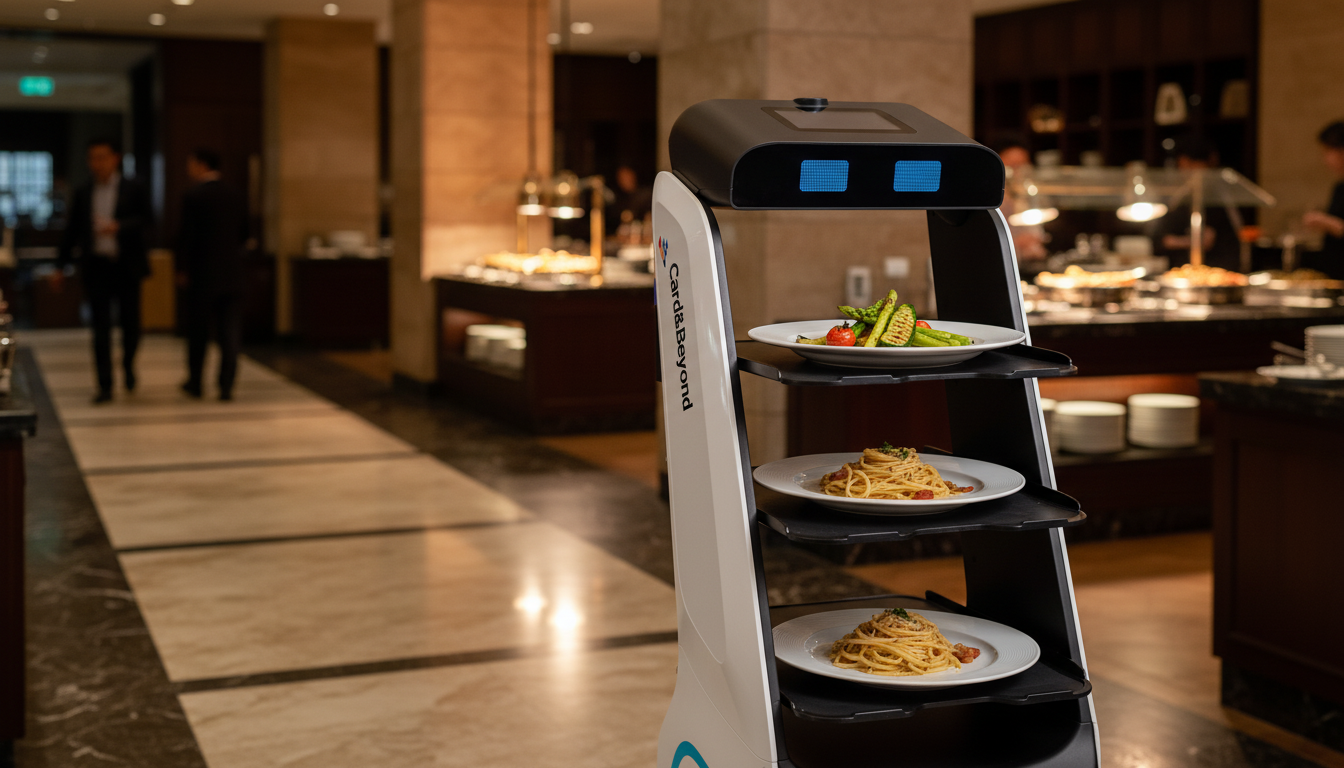
Restaurant serving robots are autonomous service robots designed to transport food, drinks, and dishes inside dining spaces. They move along programmed routes between the kitchen, pickup area, and guest tables, helping staff handle repetitive delivery tasks more efficiently.
Serving robots are not meant to replace restaurant staff. They work best as support equipment that helps servers focus more on hospitality, table management, guest requests, and overall service quality.
Serving robots are especially useful in restaurants with many tables, long walking routes, high peak-hour traffic, or repeated food delivery tasks throughout the day.

Reduce Repetitive Walking and Support Smoother Service
Serving robots help move food from the kitchen to the dining area, allowing staff to spend more time on guest-facing service and dining room management.
Not every restaurant needs a serving robot. However, restaurants with long service routes, heavy food delivery needs, or frequent peak-hour delays may benefit from adding a robot to their service workflow.
Serving robots help reduce repetitive delivery work and support more stable dining room operations. They are most effective when they improve service flow without adding complexity to the staff workflow.
Servers often walk thousands of steps during a shift. A serving robot helps reduce repetitive movement so staff can focus more on guests and table service.
During lunch and dinner rushes, delivery delays can affect table turnover and guest satisfaction. Robots help keep delivery flow more consistent.
When staff spend less time carrying dishes across the dining room, they can focus more on guest interaction, table resets, and service quality.
Serving robots can create a memorable experience for guests and help the restaurant feel more modern, especially in casual dining and hotel environments.
Featured Serving Robots
These two models support food delivery, staff workflow, and dining room automation in busy restaurant environments.

KEENON Dinerbot T5
A high-capacity serving robot designed for busy restaurants and high-traffic dining spaces. With multi-tray delivery, smart navigation, and stable movement, the T5 is a strong fit for operations focused on speed, capacity, and efficient table service.
View product
KEENON Dinerbot T8
A compact and guest-friendly serving robot built for smooth dining room service. With a smart lift-up tray system, SLAM mobility, voice interaction, and stable tray delivery, the T8 works well for cafés, hotels, and restaurants that care about both service flow and guest experience.
View productTraditional Service vs Serving Robots
| Service Area | Traditional Service | With Serving Robots |
|---|---|---|
| Food Delivery | Staff repeatedly walk between the kitchen and tables | Robots support food delivery and reduce unnecessary walking |
| Peak Hours | Food delivery can slow down when orders come in at once | Delivery flow stays more stable during busy service periods |
| Staff Role | Servers spend a large amount of time carrying food | Staff can focus more on guests, tables, and service quality |
| Guest Experience | Standard dining service experience | Creates a more modern and memorable service moment |
| Operational Flow | Service speed depends heavily on staff availability and walking distance | Supports a more consistent dining room workflow with fewer interruptions |
What to Check Before Choosing a Serving Robot
The value of a serving robot depends on your restaurant layout, floor condition, table spacing, service route, and daily workflow. Before choosing a model, review how your staff currently moves during busy hours and where the biggest service delays happen.
Serving Robots Support Staff, Not Replace Them
The best way to think about a serving robot is not as a replacement for staff, but as a support tool for repetitive movement. Restaurant staff still welcome guests, manage tables, check food quality, respond to requests, and create the hospitality experience.
A serving robot helps take on part of the repetitive carrying work so the team can spend more time on the moments that actually shape customer satisfaction.
Frequently Asked Questions About Serving Robots
What does a restaurant serving robot do?
A serving robot helps transport food, drinks, and dishes inside a restaurant. It supports repetitive delivery tasks between the kitchen, pickup area, and dining room.
Do serving robots replace restaurant staff?
No. Serving robots support staff by handling repetitive delivery movement. Staff still manage guests, tables, service quality, food checks, and customer requests.
What types of restaurants can use serving robots?
Serving robots work well in Korean BBQ, hot pot, buffet restaurants, hotels, family dining, food courts, and restaurants with long service routes or high peak-hour traffic.
Do I need to renovate my restaurant to use a serving robot?
In many cases, major renovation is not required. However, aisle width, floor condition, table spacing, charging space, and robot movement paths should be checked before installation.
Which is better, Dinerbot T5 or Dinerbot T8?
The T5 is better suited for high-volume restaurants that need more carrying capacity and efficient multi-tray service. The T8 is a strong option for restaurants that want compact movement, lift-up tray service, and a more guest-facing experience.
Are serving robots safe around guests?
Serving robots are designed for indoor restaurant environments and use navigation and obstacle detection features to move safely around people, tables, and dining room traffic.
Find the Right Serving Robot for Your Restaurant
Compare serving robot options and choose the model that fits your dining room layout, service style, and peak-hour workflow.
Share:
Commercial Kimbap and Sushi Roll Machines for Restaurants
Commercial Ramen & Noodle Cooker Guide for K-Food Restaurants