

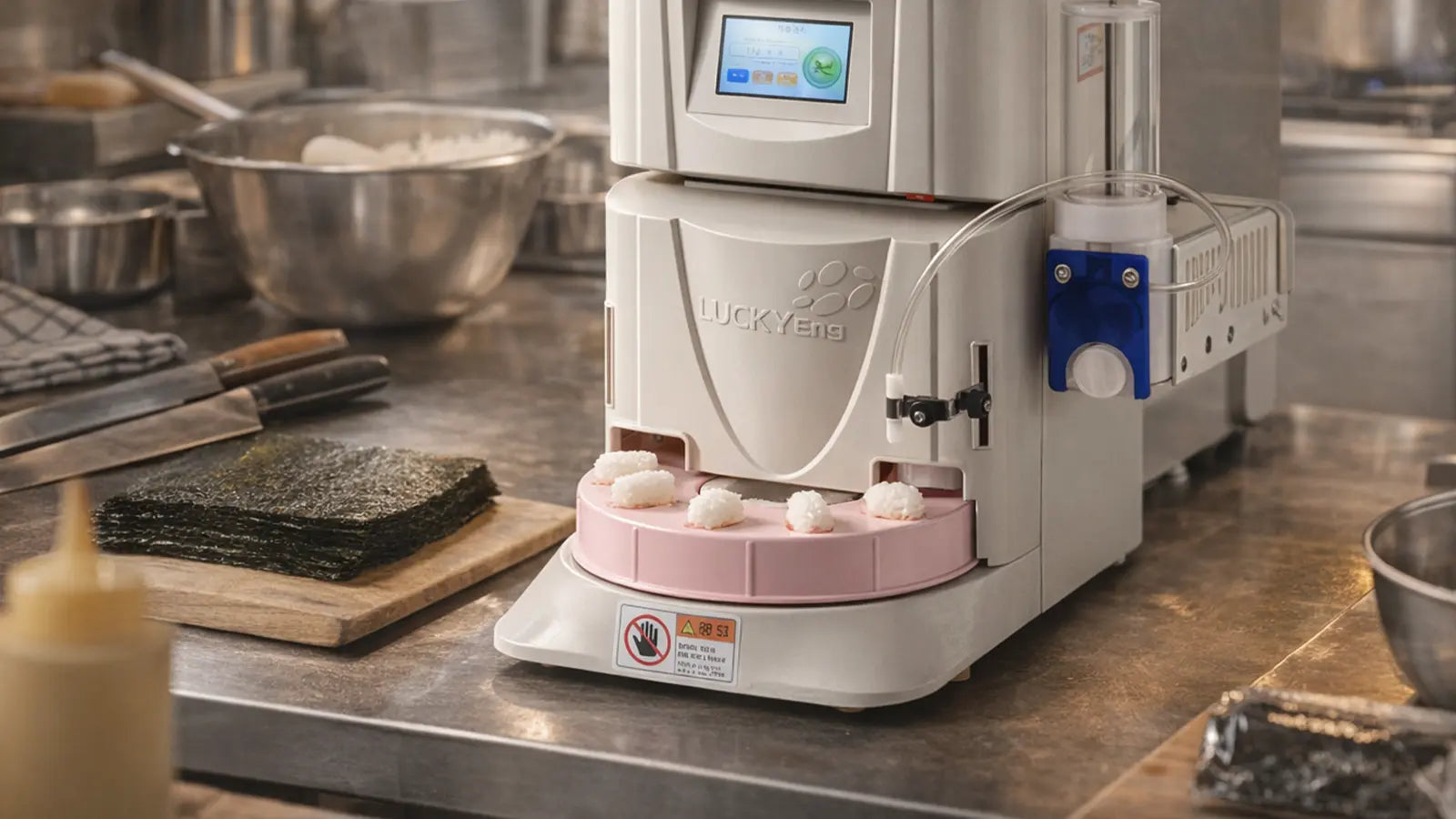
Commercial Kimbap and Sushi Roll Machines for Restaurants
Restaurants that prepare kimbap, sushi rolls, California rolls, and sushi rice often repeat the same prep work throughout the day. Spreading rice, rolling, cutting, and forming sushi rice portions can take valuable time, especially during lunch rushes, catering orders, and high volume prep hours.
Commercial kimbap and sushi roll machines help restaurants improve consistency, reduce repetitive work, and create a smoother kitchen workflow for roll production and sushi prep.
What Are Kimbap and Sushi Roll Machines?
Kimbap and sushi roll machines are commercial food preparation machines designed to support repeatable kitchen tasks. Instead of relying only on manual labor for every step, restaurants can use equipment to help with roll making, rice sheet making, roll cutting, and sushi rice forming.
These machines are especially helpful for restaurants and food businesses that prepare the same items many times a day, including kimbap, sushi rolls, California rolls, rice based meals, and prepared food packs.
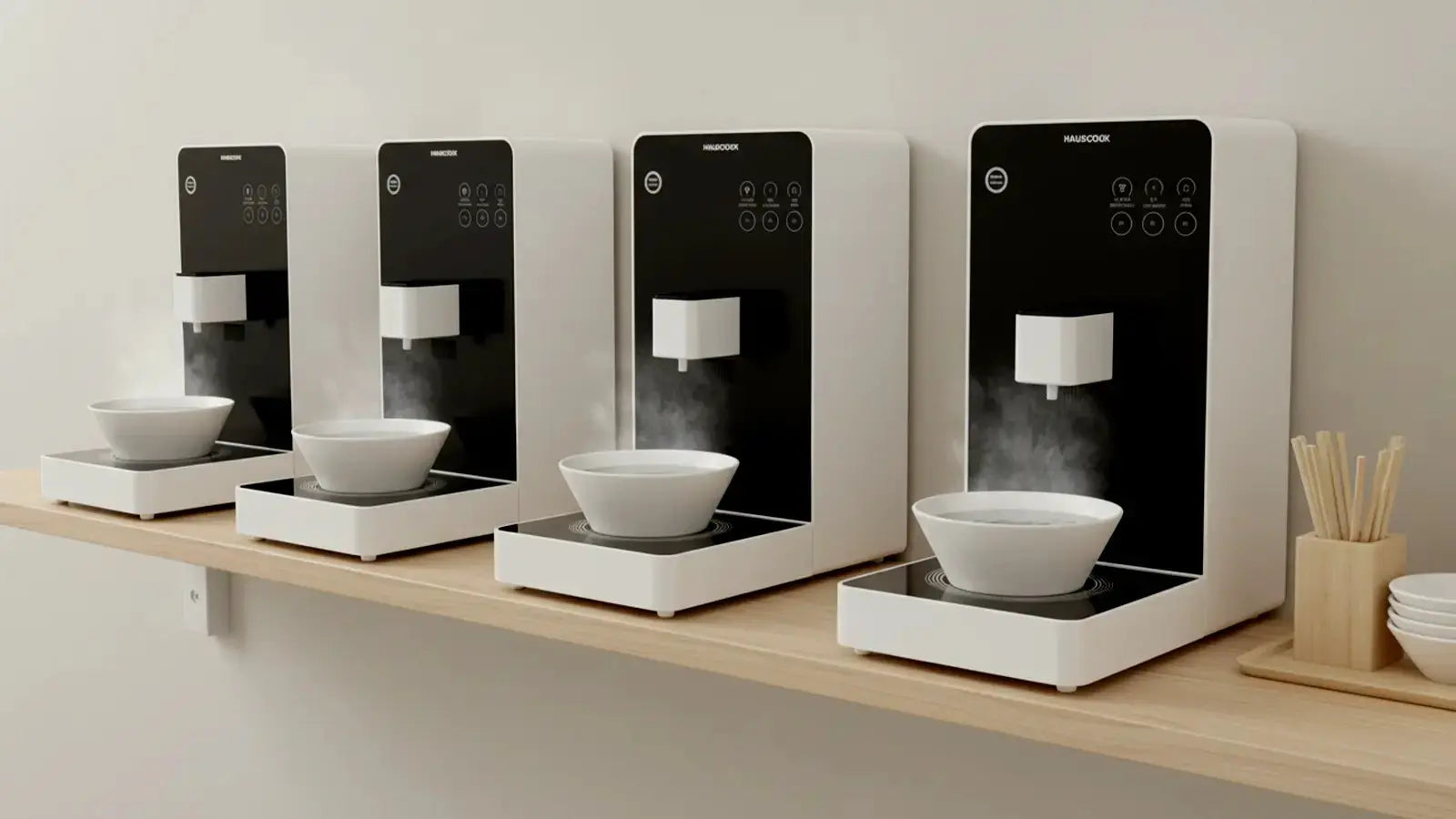
Ramen cookers can also support restaurant automation, especially for food courts, campuses, and self service ramen concepts. This guide focuses on kimbap, sushi roll, rice sheet making, roll cutting, and sushi rice preparation equipment.
How These Machines Support Daily Prep
The biggest benefit of roll and rice prep equipment is that it supports the tasks your kitchen repeats every day. When rice thickness, roll shape, cutting size, and rice portions become more consistent, the entire prep flow becomes easier to manage.

Even Rice Sheets
Rice sheet makers help create a consistent rice layer for kimbap, sushi rolls, and California roll production.

Consistent Roll Cutting
Roll cutters help reduce repetitive hand cutting and support cleaner, more consistent presentation.
Kimbap and sushi roll production often involves several repeatable steps. Different machines support different parts of the workflow, from rolling and rice spreading to cutting and sushi rice forming.
A commercial roll maker helps restaurants form kimbap, sushi rolls, and California rolls with a more consistent shape and structure. It supports busy kitchens that need reliable roll production during peak hours or prep periods.
A rice sheet maker helps spread rice into an even layer for kimbap and sushi roll production. This can improve consistency, reduce manual rice spreading work, and help staff prepare rolls more efficiently.
A sushi roll cutter helps cut kimbap, sushi rolls, and California rolls into even pieces. It reduces repetitive hand cutting and helps improve presentation for dine in, takeout, catering, and grab and go products.
A sushi rice ball machine helps form consistent sushi rice portions. This is useful for sushi restaurants and prepared food operations that need stable portioning and efficient sushi prep.
Featured Machines for Roll and Sushi Prep
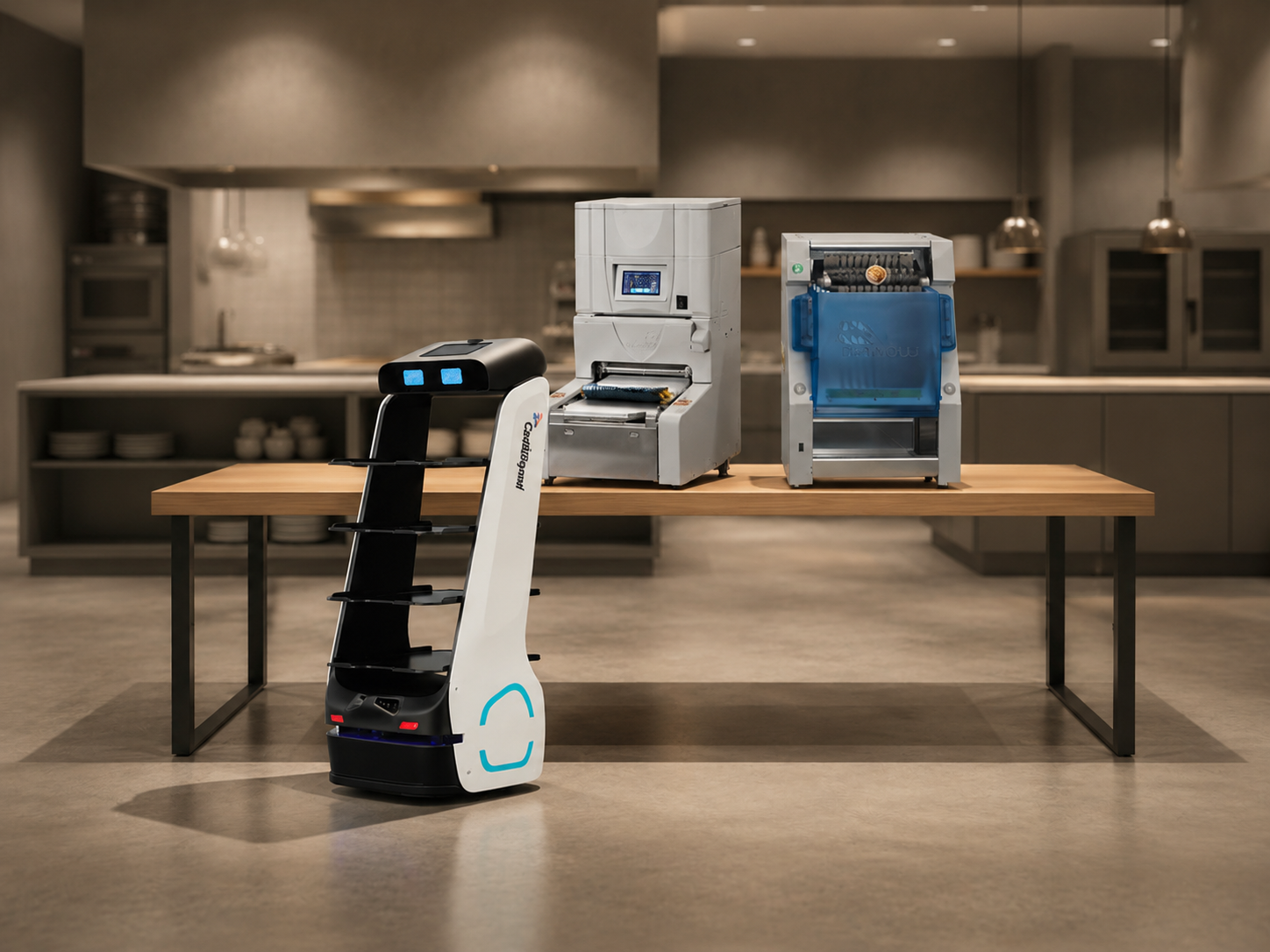
These machines support the most repetitive parts of kimbap and sushi production: rolling, rice sheet making, roll cutting, and sushi rice forming.

Roboroller Deluxe
A commercial roll maker designed to help restaurants prepare kimbap, sushi rolls, and California rolls with more consistent shape and workflow.
View product
LCR 700 Sheet Type
A rice sheet maker that helps spread rice into an even layer for kimbap and sushi roll production with more consistent thickness.
View product
Slice Pro LCC 105B
A commercial roll cutter that helps cut kimbap, sushi rolls, and California rolls into even pieces while reducing repetitive hand cutting.
View product
Sushi Master Pro
A sushi rice ball machine that helps restaurants form consistent rice portions for sushi prep and high volume sushi operations.
View productRestaurants use kimbap and sushi prep machines to make repeated production steps easier to manage, especially when speed, consistency, and staff workflow matter during busy service periods.
Machines can help keep roll shape, rice thickness, cut size, and sushi rice portions more stable across different shifts.
Rolling, rice sheet making, cutting, and rice forming equipment help keep production moving during lunch rushes, catering orders, and prep schedules.
Commercial machines reduce repeated motion so staff can focus more on ingredient prep, quality checks, packing, and customer service.
Standardized equipment can make daily prep easier to repeat and help new staff learn the process more efficiently.
Kimbap and sushi roll machines are most useful in restaurants and food service businesses that prepare the same items repeatedly. They work especially well when speed, portion control, and consistency directly affect customer experience.
Manual Prep vs Commercial Machines
| Operation Area | Manual Preparation | With Commercial Machines |
|---|---|---|
| Roll Making | Depends on staff skill, speed, and consistency | Supports more consistent roll forming and production flow |
| Rice Sheet Making | Rice thickness can vary by employee | Helps create a more even rice sheet for roll production |
| Roll Cutting | Hand cutting can vary by employee and order volume | Helps create even cuts with less repetitive hand work |
| Sushi Rice Forming | Portions may vary during busy service | Supports consistent sushi rice portions and shape |
| Training | New staff may need more time to learn repeatable tasks | Standardized equipment can simplify daily operation |
What to Check Before Choosing a Machine
Before adding a kimbap machine, sushi roll maker, rice sheet maker, roll cutter, or sushi rice ball machine, review your menu, kitchen layout, production volume, and daily workflow. The right machine depends on what your team prepares most often and where your biggest bottlenecks happen.
Choosing the Right Machine for Your Menu
Not every restaurant needs the same machine. A kimbap focused business may need a roll maker and roll cutter. A sushi restaurant may need a sushi rice ball machine for portioning, while a prepared food section may need a rice sheet maker to support high volume roll production.
The goal is to match the machine to the task that slows down your operation the most. When the right equipment is added to the right workflow, it can help the kitchen become faster, more consistent, and easier to manage.
If your restaurant is also considering noodle service or self service ramen, you can also explore a commercial ramen cooker as part of a broader restaurant automation setup.
Frequently Asked Questions About Kimbap and Sushi Machines
What is a commercial kimbap machine?
A commercial kimbap machine is designed to support high volume kimbap production by helping with repeatable steps such as roll forming, rice sheet making, or roll cutting depending on the machine type.
What is the difference between a sushi roll maker and a sushi roll cutter?
A sushi roll maker helps form rolls with a consistent shape, while a sushi roll cutter helps cut rolls into even pieces. Many high volume kitchens may benefit from using both machines together.
What does a rice sheet maker do?
A rice sheet maker helps spread rice into an even layer for kimbap and sushi roll production. This can reduce manual spreading work and help keep roll quality more consistent.
What is a sushi rice ball machine used for?
A sushi rice ball machine helps form consistent rice portions for sushi preparation. It is useful for sushi restaurants and prepared food operations that need stable shape and portion control.
Do these machines replace kitchen staff?
No. These machines support repetitive preparation tasks. Staff still manage ingredients, quality control, packing, plating, customer service, and overall kitchen operations.
How do I know which machine is right for my restaurant?
The right machine depends on your menu, daily production volume, kitchen space, labor challenges, and workflow. Start by identifying the task that takes the most time or creates the most inconsistency.
Find the Right Machine for Your Restaurant
Explore commercial machines for kimbap production, sushi roll making, rice sheet making, roll cutting, and sushi rice prep.
Share:
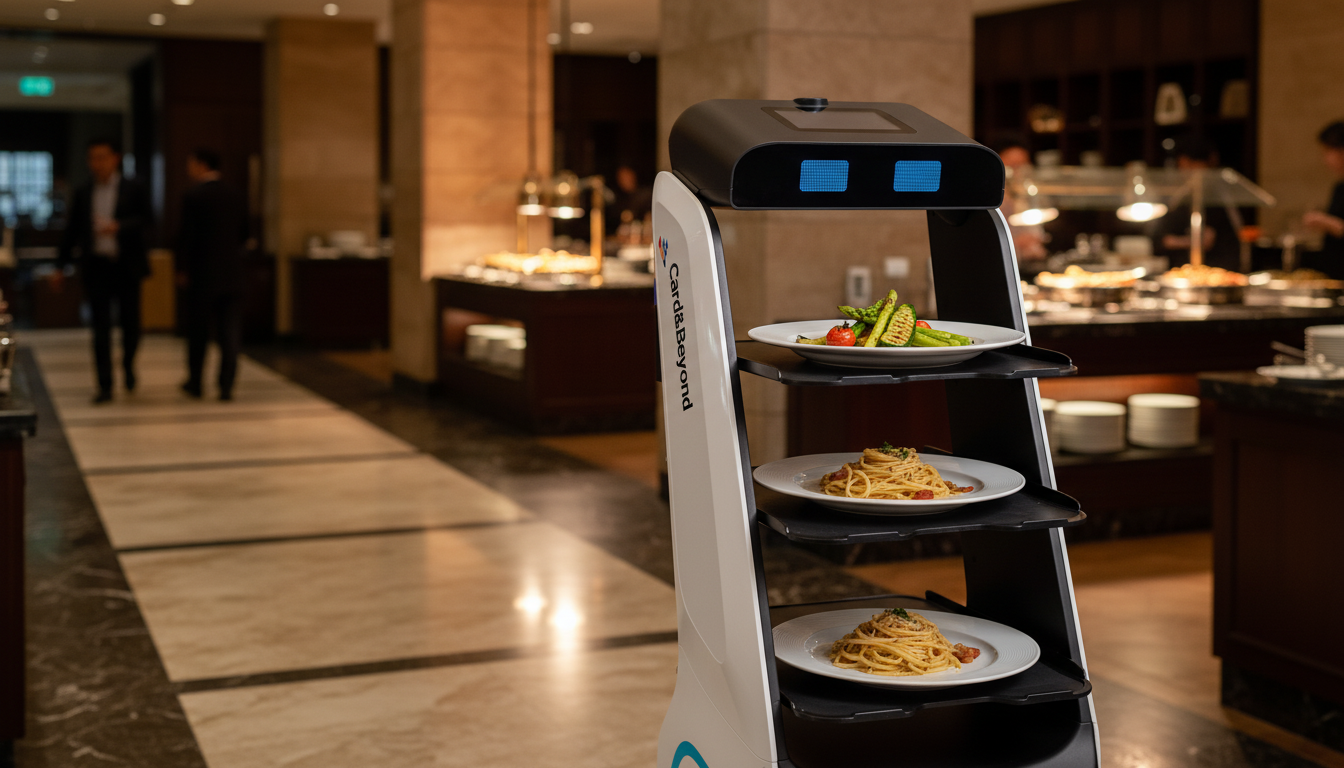
Restaurant Serving Robots for Busy Dining Operations